Printable Recipe Cards from Every Continent
Every dish on this site comes with our own recipe, written with US and metric measures. Below you will find each one as a clean recipe card you can print or save as a PDF, so the phone can stay out of the sauce.
Further down, we answer the questions readers ask most: what to use when a specialty ingredient is hard to find, and how to know when meat, fish and leftovers are safe to eat.
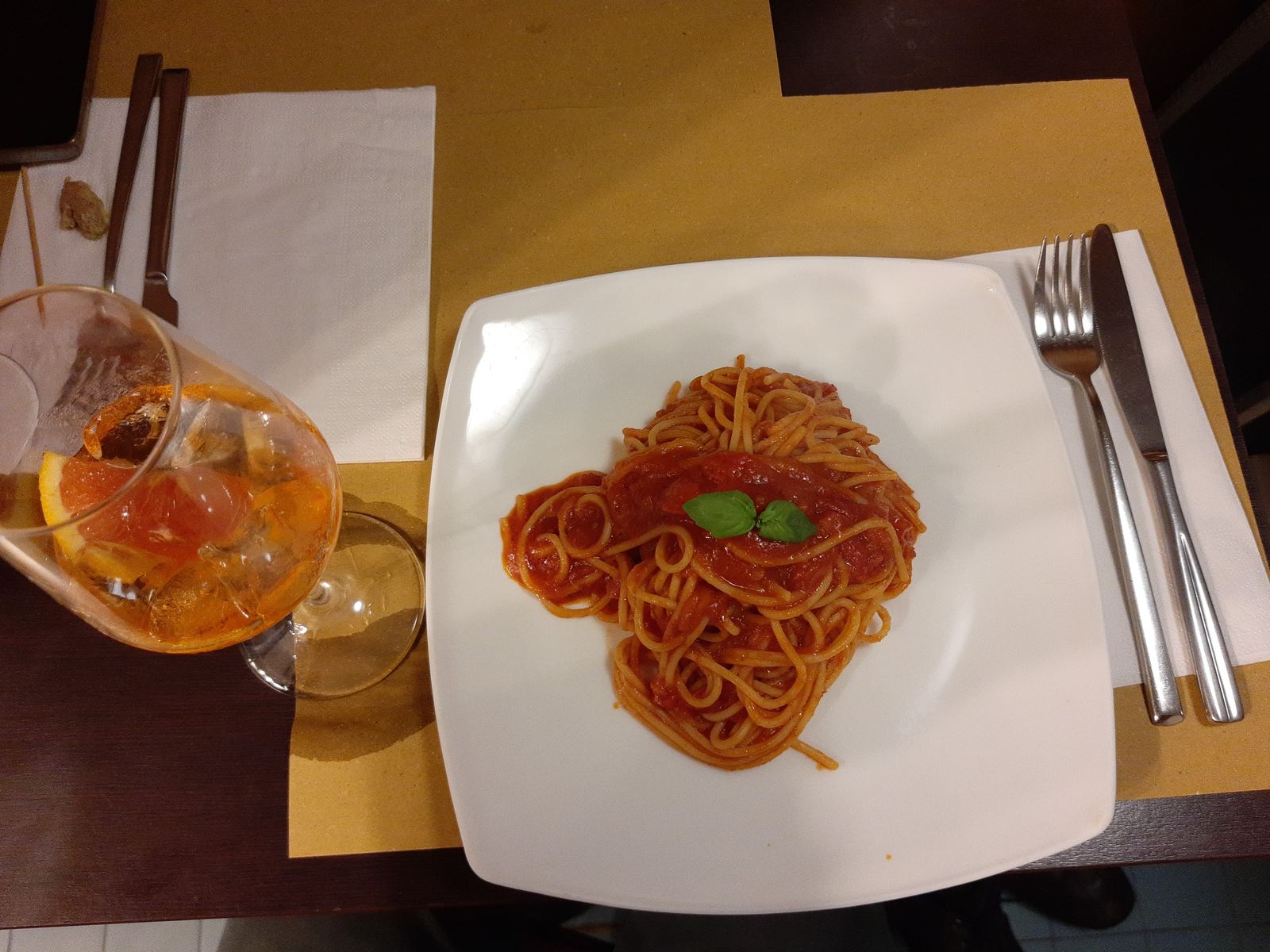
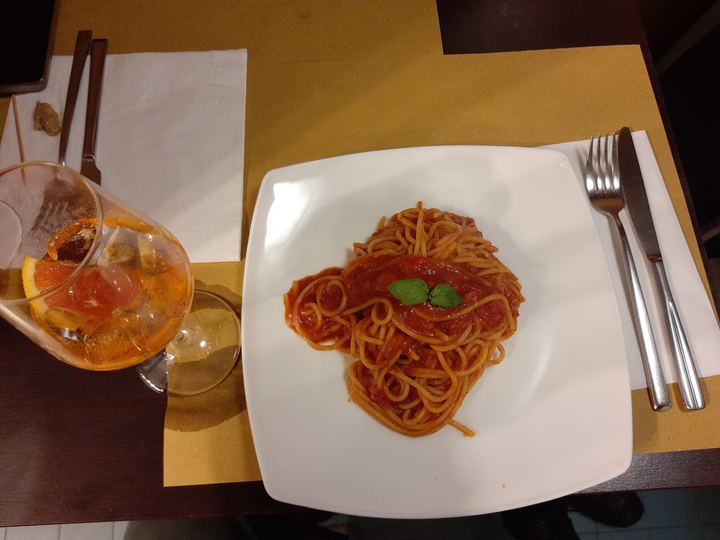
Spaghetti al pomodoro in Venice: Gerda Arendt, CC0
All recipe cards
Tap a card to print it or download the PDF. Each card lists servings, total time, ingredients and numbered steps.
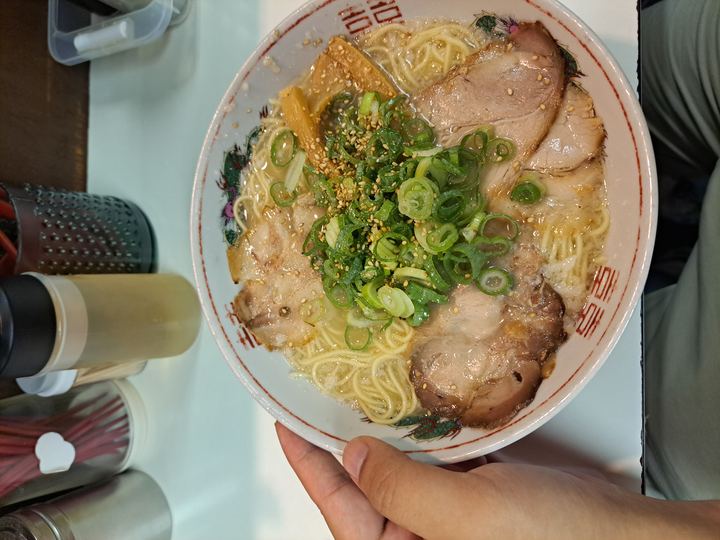
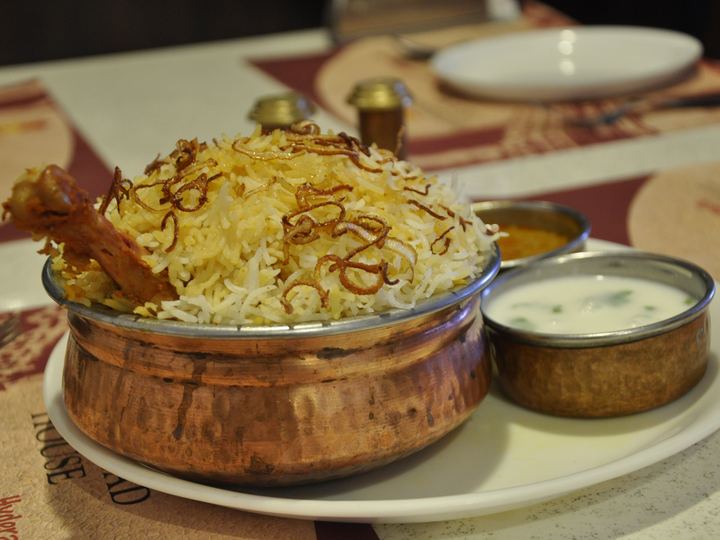
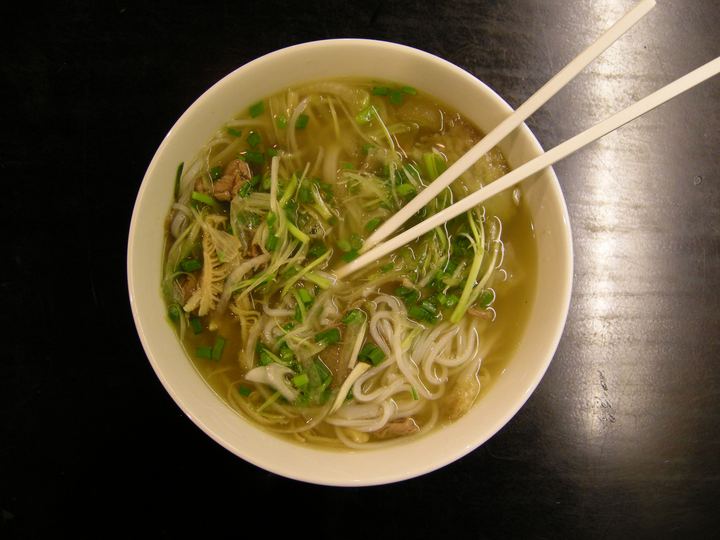
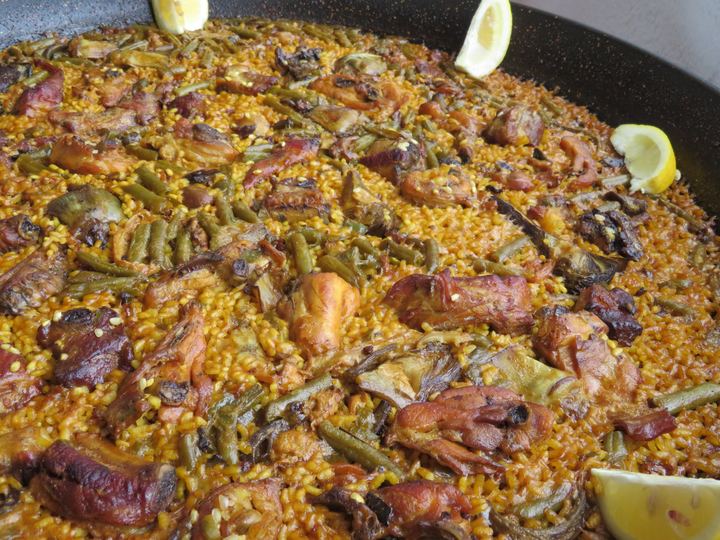
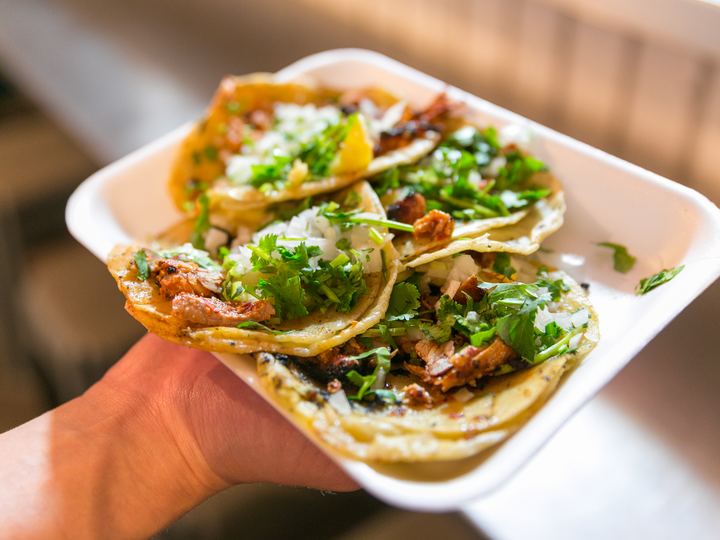
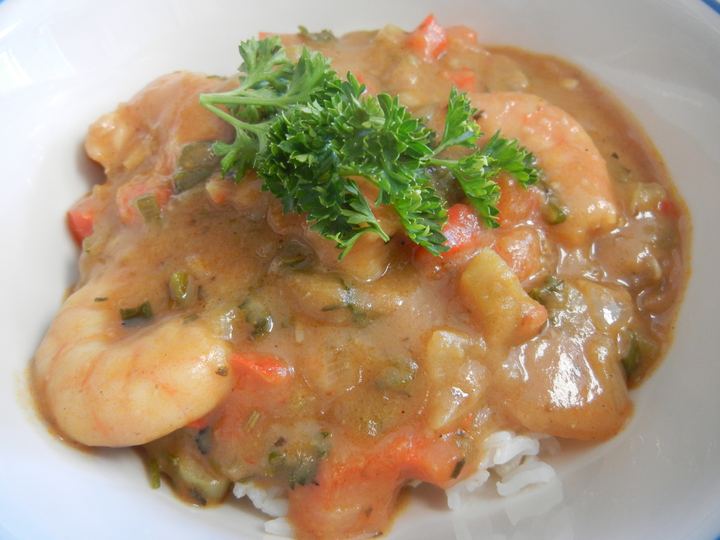
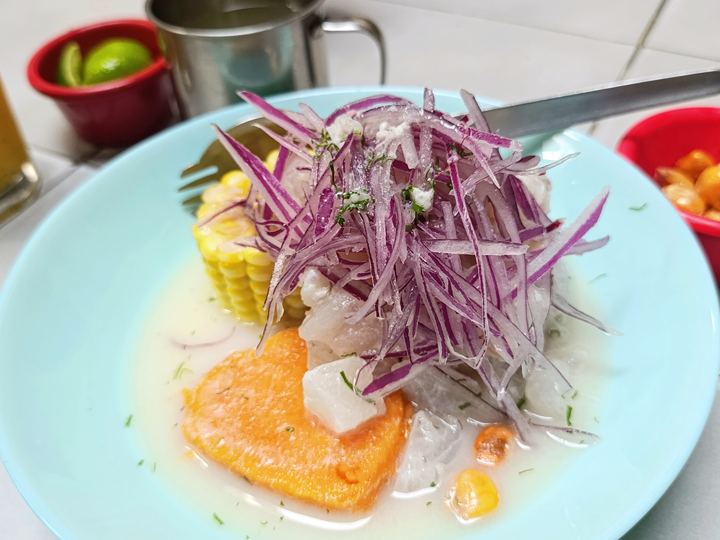
Swaps and substitutions
A swap changes the flavor a little, so treat these as a way to cook tonight, not a replacement for the real thing.
I can't find preserved lemons for the tagine. What can I use?
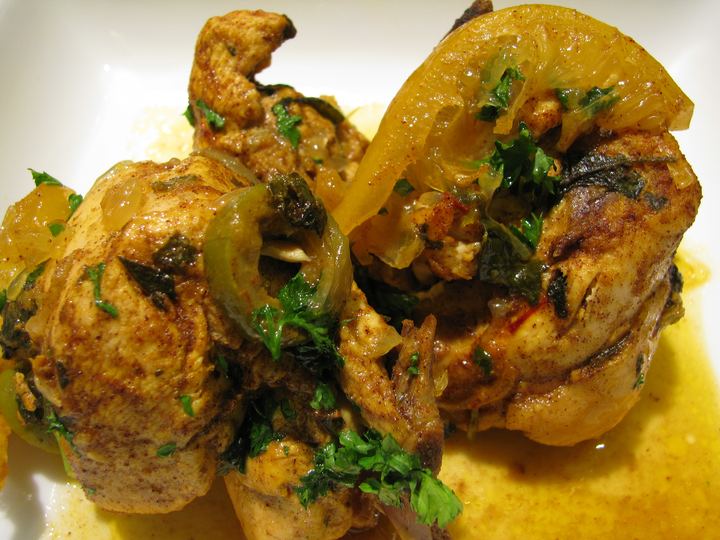
Use the finely grated zest of one lemon plus a squeeze of its juice and a pinch of extra salt, added near the end of cooking. You lose some of the soft, fermented depth, but you keep the bright lemon note that preserved lemon brings. If you have a few weeks, salt-pickling your own lemons is easy.
What if I have no berbere for doro wat?
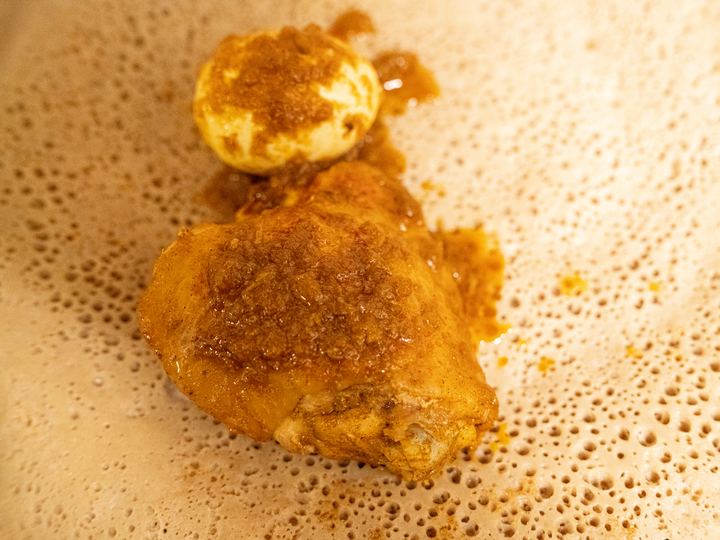
Mix sweet paprika with cayenne for heat, then add small amounts of ground ginger, coriander, fenugreek, cardamom and black pepper. It will not taste exactly like an Ethiopian blend, which often includes local spices such as korarima, but it gets you close. Start mild and add cayenne to taste.
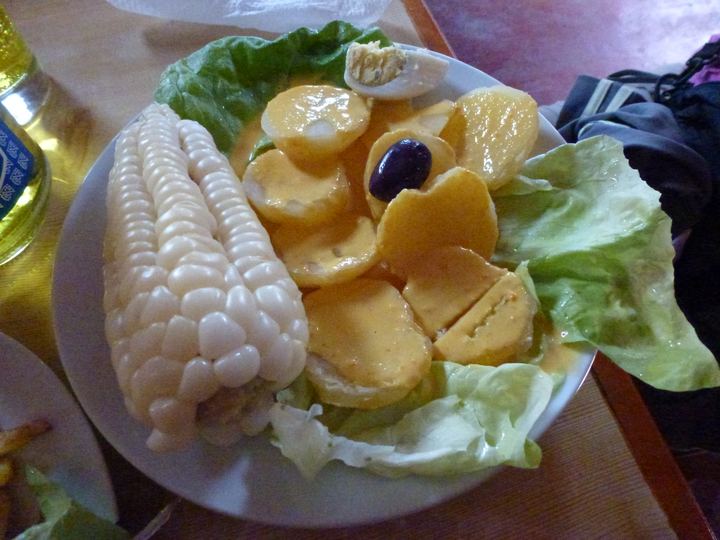
Is there a substitute for ají amarillo paste?
Ají amarillo has a fruity heat that is hard to copy. In a pinch, blend a roasted yellow or orange bell pepper with a little fresh hot chile, such as a seeded serrano, for both color and heat. Many Latin grocers and online shops sell the paste in jars, and it keeps well in the fridge.
No fish sauce for pho. Now what?
Use light soy sauce with a small pinch of sugar, and season at the end, since soy is less pungent. For a vegetarian broth, soy sauce plus a little white miso adds the savory depth that fish sauce normally provides.
My gumbo recipe mentions filé powder. Can I skip it?
Yes. Filé, ground dried sassafras leaves, is an optional finishing thickener and flavor, stirred in off the heat. Many cooks use okra or a dark roux instead. Never boil gumbo after adding filé, because it turns stringy.
Can I use regular paprika instead of smoked Spanish pimentón?
Yes, but the dish loses its smoky note. Pimentón de la Vera is dried over oak smoke, which is where that flavor comes from. If you only have sweet paprika, a tiny pinch of chipotle powder adds back a little smoke and heat.
Food safety basics
Temperatures below come from the US government's FoodSafety.gov chart and USDA Food Safety and Inspection Service guidance. Check them with an instant-read thermometer in the thickest part of the food, away from bone, fat or gristle.
What temperature is chicken safe at?
All poultry, whole or in parts, including ground poultry and stuffing inside the bird, should reach 165°F (74°C). That applies to the chicken in tagine, doro wat, biryani and gumbo.
What about beef, pork and lamb?
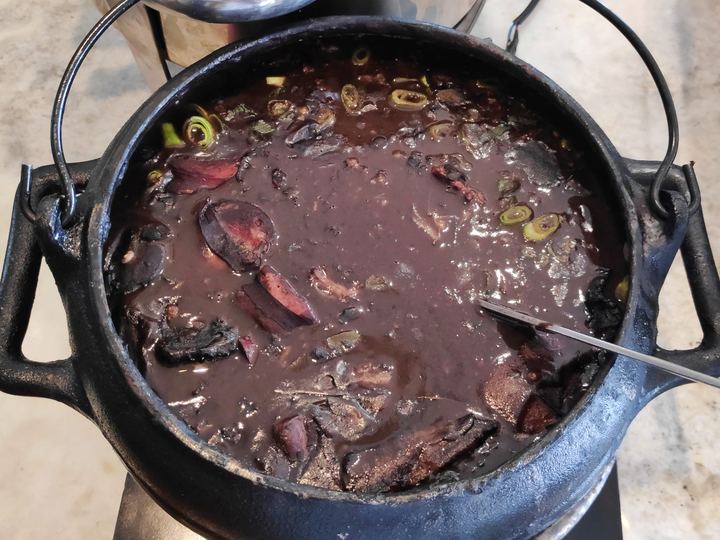
Steaks, roasts and chops of beef, pork, veal, lamb and goat are safe at 145°F (63°C) followed by a 3-minute rest. Ground meat and sausage need 160°F (71°C), which matters for the sausage in gumbo and feijoada.
How do I know fish is cooked?
FoodSafety.gov gives 145°F (63°C) for fish, or cook until the flesh is no longer translucent and flakes easily with a fork. Shrimp, crab and scallops are done when they turn pearly and opaque, and clams and mussels when their shells open.
Ceviche is raw fish. Is it safe?
Ceviche is cured in lime juice, not heated, so it never reaches the 145°F guideline. Lime changes the texture and color of the fish, but it is not the same as cooking. Buy very fresh fish from a seller you trust, keep it cold, make it the day you eat it, and choose a cooked dish instead if you are pregnant, very young, older, or have a weakened immune system.
How long can a big pot of stew sit out?
Refrigerate cooked food within 2 hours, or within 1 hour if it is above 90°F (32°C), for example at an outdoor party. USDA calls 40°F to 140°F (4°C to 60°C) the danger zone, where bacteria grow fastest. Split a large pot into shallow containers so it cools quickly.
How long do leftovers keep, and how hot should I reheat them?
USDA advises eating refrigerated leftovers within 3 to 4 days, or freezing them for 3 to 4 months for best quality. Reheat leftovers to 165°F (74°C), and bring soups, sauces and gravies to a rolling boil.
Our recipes are written for home cooks and are tested in style, not in a lab. Always follow your local food safety guidance, and check labels if you cook for anyone with a food allergy.
- FoodSafety.gov: Cook to a Safe Minimum Internal Temperature
- FoodSafety.gov: 4 Steps to Food Safety
- USDA FSIS: Leftovers and Food Safety
- Wikipedia: Preserved lemon
- Wikipedia: Berbere
- Wikipedia: Filé powder
- Wikipedia: Paprika (Spanish pimentón)
Facts on this page were checked against these sources (updated Oct 1, 2026). Spot an error? Email hello@fireempireshop.com.