Pasta al Pomodoro
Italy's simplest tomato pasta, surprisingly young. Italian food had no tomatoes before the 1500s. How a fruit from the Americas became Italy's signature, and a perfect pasta al pomodoro.
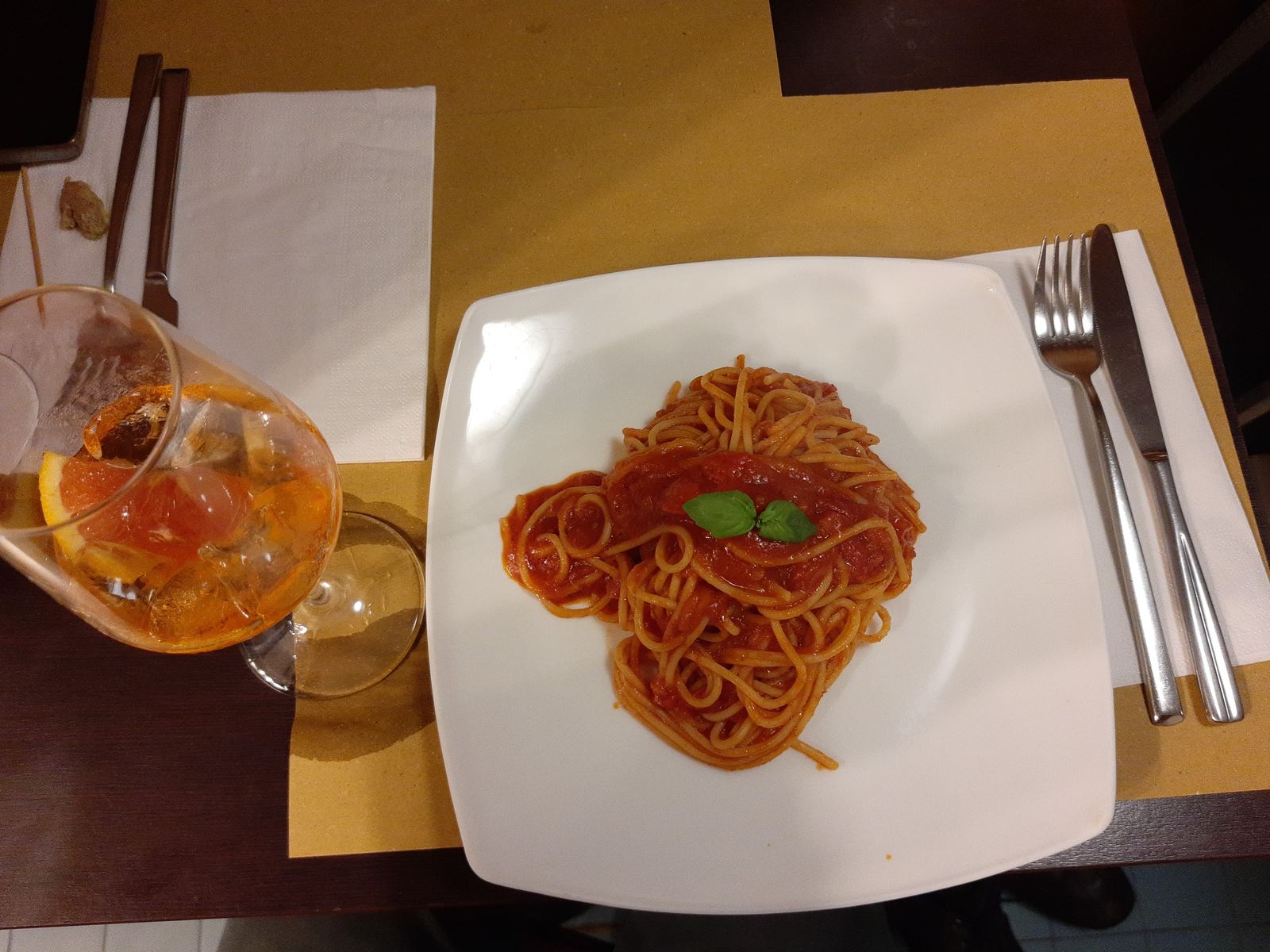
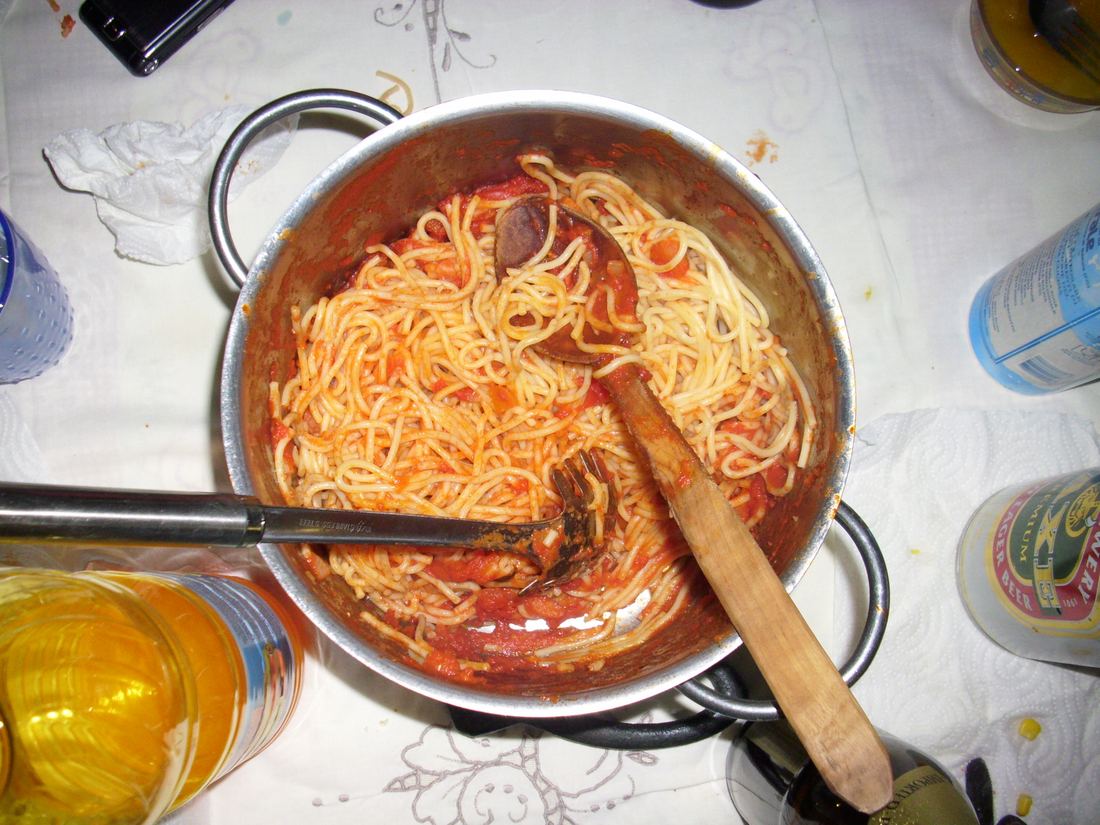
Spaghetti al pomodoro in Venice: Gerda Arendt, CC0
Italy before the tomato
It is hard to picture Italian food without tomatoes, yet for most of its history Italy had none. Tomatoes were domesticated in the Americas and reached Europe only after Spanish contact with Mexico in the 1500s. An Italian herbalist described them in the mid-1500s and called them pomi d'oro, golden apples, probably because the first ones seen were yellow. That name lives on as pomodoro.
Before then, Italians dressed pasta with butter, cheese, spices, sugar and broth. Many people were suspicious of the new fruit, a relative of nightshade, and grew it as a curiosity.
Video: The Only Spaghetti al Pomodoro Recipe You Need to Learn (Vincenzo's Plate), embedded from YouTube.
Italian food had no tomatoes for most of history
Tomatoes came to Europe from the Americas in the 1500s; a 1544 Italian text called them pomi d'oro, or golden apples.
YouTube @IntercontinentalChef (launching soon). Photos in this Short: Organic home-grown tomatoes - unripe to ripe.jpg - Michal Klajban (CC BY-SA 4.0) via Wikimedia Commons | Tomato je.jpg - Softeis (CC BY-SA 3.0) via Wikimedia Commons | Heirloom tomatoes at county fair.jpg - Eric Polk (CC BY-SA 4.0) via Wikimedia Commons | Tomatoes, heirloom - Massachusetts.jpg - Daderot (CC0) via Wikimedia Commons | Liat Portal for Foodie Disorder - Spaghetti with Tomato Sauce.jpg - HaJunkiyada (CC BY-SA 4.0) via Wikimedia Commons | Spaghetti and meatballs 1.jpg - jeffreyw (CC B
How the sauce took over
Southern Italy, especially around Naples, warmed to tomatoes first. A Neapolitan cookbook from the 1690s included a tomato sauce described as Spanish style. By the 1800s, Neapolitan cooks were tossing pasta with tomatoes, and street vendors sold plates of macaroni to eat with your hands. When millions of southern Italians emigrated in the late 1800s and early 1900s, tomato pasta traveled with them.
Few ingredients, no hiding
Pasta al pomodoro has almost nothing to it: good tomatoes, olive oil, garlic or onion, salt and fresh basil. That is why technique matters. Use ripe tomatoes in summer and good canned whole plum tomatoes, such as San Marzano, the rest of the year. Cook the sauce briefly so it stays bright, and finish the pasta in the pan with a splash of its starchy water so the sauce clings.
Different regions developed their own tomato sauces. In Naples, cooks simmered sauces with garlic and olive oil, while further north butter and onion often led the way. Canning made a huge difference: by the late 1800s, factories around Naples and Parma were preserving tomatoes, so the sauce could be made all year. The San Marzano plum tomato, grown in volcanic soil near Mount Vesuvius, became the most famous variety and now carries protected status in Italy.
How Italians serve it
In Italy it is a primo, a first course, served in modest portions before a meat or fish course. Spaghetti is classic, though short shapes work too. A little grated Parmigiano or pecorino is welcome, but the star should be the tomato. Tear the basil at the last moment.
Make Pasta al Pomodoro at home
Ingredients
- 1 can (28 oz / 800 g) whole peeled plum tomatoes
- 1/4 cup extra virgin olive oil (60 ml), plus more to finish
- 3 garlic cloves, thinly sliced
- 1 pinch red pepper flakes (optional)
- 1 large handful fresh basil leaves
- 1 lb (450 g) spaghetti
- Salt
- Grated Parmigiano Reggiano, to serve
Method
- Crush the tomatoes by hand in a bowl, removing any tough cores.
- Warm the oil in a wide pan over medium-low heat. Add the garlic and pepper flakes and cook gently until the garlic is pale gold, about 2 minutes. Do not let it brown.
- Add the tomatoes and a good pinch of salt. Simmer 15 to 20 minutes, stirring now and then, until slightly thickened. Add a few basil leaves in the last minutes.
- Meanwhile, boil the spaghetti in well-salted water until 1 minute short of the package time. Save 1 cup (240 ml) of the pasta water.
- Transfer the spaghetti to the sauce with a splash of pasta water. Toss over medium heat for 1 to 2 minutes until the sauce coats every strand, adding more water if needed.
- Off the heat, add a drizzle of raw olive oil and torn basil. Serve with a little cheese.
- Wikipedia: Antonio Latini
- Wikipedia: Tomato sauce
- CNN Travel: How Italians made tomatoes their essential ingredient
- PMC: Sixteenth-century tomatoes in Europe
Facts on this page were checked against these sources.
- Spaghetti al pomodoro in Venice: Gerda Arendt, CC0
- Pasta al pomodoro in the pan: Alessio Sbarbaro (Yoggysot), CC BY-SA 3.0
- Short photos: Organic home-grown tomatoes - unripe to ripe.jpg - Michal Klajban (CC BY-SA 4.0) via Wikimedia Commons | Tomato je.jpg - Softeis (CC BY-SA 3.0) via Wikimedia Commons | Heirloom tomatoes at county fair.jpg - Eric Polk (CC BY-SA 4.0) via Wikimedia Commons | Tomatoes, heirloom - Massachusetts.jpg - Daderot (CC0) via Wikimedia Commons | Liat Portal for Foodie Disorder - Spaghetti with Tomato Sauce.jpg - HaJunkiyada (CC BY-SA 4.0) via Wikimedia Commons | Spaghetti and meatballs 1.jpg - jeffreyw (CC BY 2.0) via Wikimedia Commons | Bright red tomato and cross section02.jpg - fir0002 flagstaffotos [at] gmail.com Canon 20D + Sigma 150mm (GFDL 1.2) via Wikimedia Commons | Naples from the Castello Sant Elmo with Abbazia San Martino the port and the Vesuv.jpg - This Photo was taken by Wolfgang Moroder. Feel free to use m (CC BY-SA 3.0) via Wikimedia Commons
Text written by Intercontinental Chef.