Papa a la Huancaína
Andean potatoes in golden chile sauce. Peru grows thousands of potato varieties. Papa a la huancaína dresses them in a creamy ají amarillo and cheese sauce. History, potatoes and a recipe.
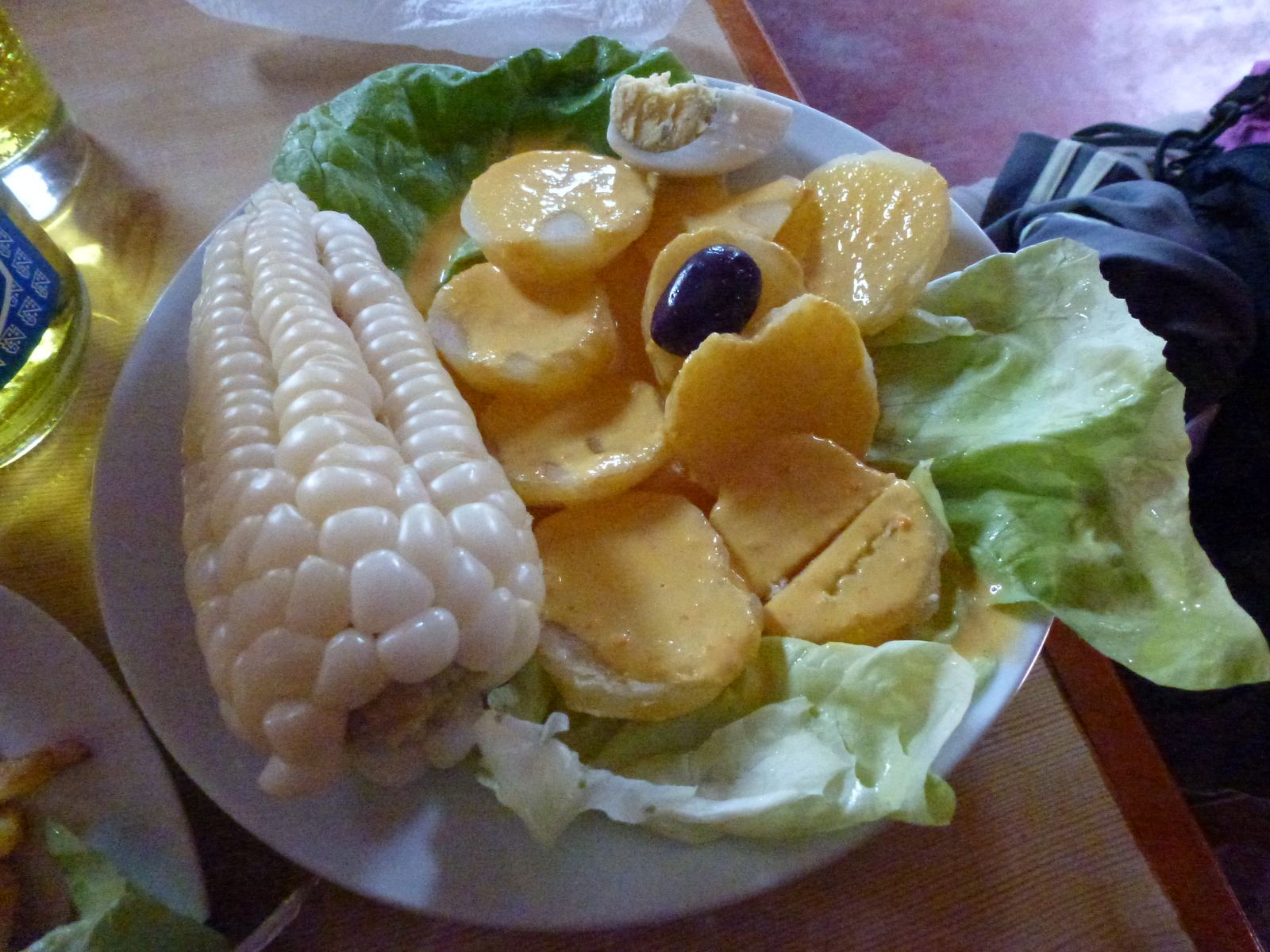
Papa a la huancaína: tacowitte from Holland, CC BY 2.0
The land of potatoes
The potato was domesticated in the Andes, around Lake Titicaca on the border of present-day Peru and Bolivia, several thousand years ago. Andean farmers bred an astonishing range: more than 3,000 native varieties are grown in Peru today, in purple, red, yellow and speckled skins, knobbly or smooth, floury or waxy. The International Potato Center, headquartered in Lima, keeps one of the world's largest collections of potato diversity.
Andean communities also invented chuño, potatoes freeze-dried by leaving them out in frosty nights and hot days, a way to store food for years.
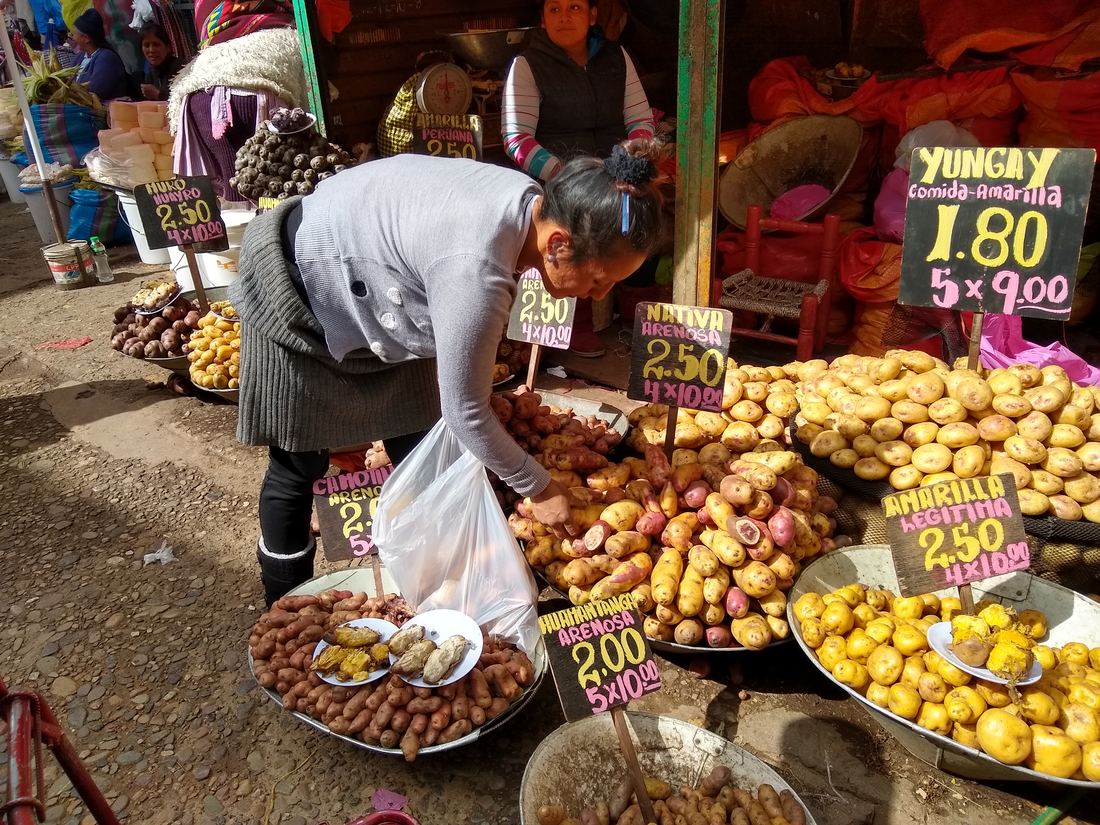
Peru takes pride in this heritage and celebrates National Potato Day each year on May 30. Markets in the highlands display piles of potatoes of every shape and color, and farmers in some communities grow dozens of varieties in a single field to protect against frost, pests and poor harvests.
Video: Recetas: Papa a la huancaína - Gastón Acurio (Comer La Vanguardia), embedded from YouTube.
Peru grows thousands of kinds of potatoes
Potatoes were domesticated in the Andes; Peru grows around 4,000 native varieties, and chuño is a traditional freeze-dried potato.
YouTube @IntercontinentalChef (launching soon). Photos in this Short: Types of Potatoes in Peru.jpg - Cathetovar (CC BY 4.0) via Wikimedia Commons | Peru terrace farming.JPG - J. Thompson (talk) 21:23, 2 November 2008 (UTC) (Public domain) via Wikimedia Commons | Bottle in Potato Form MET 64.228.27.jpeg - see file page (CC0) via Wikimedia Commons | Chuño.jpg - Eric in SF (CC BY-SA 3.0) via Wikimedia Commons | Chinchero Chunos 1.jpg - Chuck Moravec (CC BY 2.0) via Wikimedia Commons | Maiz con chuño y aji de carne.jpg - Cristian Ordenes (CC BY 2.0) via Wikimedia Com
A sauce from Huancayo
Papa a la huancaína is named after Huancayo, a city in the central highlands of Peru. A popular story says it was a simple meal sold to workers building the railway through the mountains, though nobody can prove it. Whatever its start, it is now found on almost every Peruvian table, from home kitchens to fine restaurants in Lima.
The sauce blends ají amarillo, a fruity yellow-orange chile that is the backbone of Peruvian cooking, with fresh white cheese, evaporated milk, oil and a few saltine crackers for body. The result is smooth, mildly spicy and very bright.
Which potato to use
In Peru, cooks often choose papa amarilla, a yellow-fleshed potato with a buttery, almost creamy texture. Outside Peru, Yukon Gold or other yellow waxy potatoes are a good match. Boil them whole in their skins so they hold their shape and do not get waterlogged.
Waxy yellow potatoes also slice cleanly, which matters for the neat, layered look of the dish on a platter.
How to serve it
Papa a la huancaína is eaten cold or at room temperature as a starter. Thick potato slices sit on lettuce leaves under a generous blanket of sauce, topped with halves of hard-boiled egg and black botija olives. Leftover huancaína sauce is a favorite dip for fried yuca and a classic partner for pasta in a Peruvian twist called tallarines a la huancaína.
Make Papa a la Huancaína at home
Ingredients
- 2 lb (900 g) yellow potatoes, such as Yukon Gold
- 4 ají amarillo chiles, seeded and deveined, or 3 tbsp ají amarillo paste
- 1/4 cup neutral oil (60 ml), plus 1 tbsp for the chiles
- 1 small garlic clove
- 1/4 small onion, chopped
- 7 oz (200 g) queso fresco, crumbled (or feta rinsed in water)
- 1/2 cup evaporated milk (120 ml), plus more as needed
- 4 saltine crackers
- Salt
- To serve: lettuce leaves, 2 hard-boiled eggs, black olives
Method
- Boil the potatoes whole in salted water for 20 to 25 minutes until a knife slides in easily. Cool, peel and cut into thick slices.
- If using fresh ají, sauté with the onion and garlic in 1 tbsp oil for 5 minutes until soft. If using paste, just sauté the onion and garlic.
- Put the ají mixture (or paste with onion and garlic), cheese, evaporated milk, crackers and 1/4 cup oil in a blender.
- Blend until very smooth and pourable, like thick cream. Add more milk if needed. Season with salt.
- Arrange lettuce on a platter and lay the potato slices on top.
- Pour the sauce generously over the potatoes. Top with halved eggs and olives. Serve cold or at room temperature.
- MIDAGRI: Dia Nacional de la Papa, 30 de mayo
- PNAS: Microbotanical evidence for potato at Jiskairumoko in the Titicaca Basin
- Wikipedia: Papa a la huancaina
- Wikipedia: International Potato Center
Facts on this page were checked against these sources.
- Papa a la huancaína: tacowitte from Holland, CC BY 2.0
- Potato varieties in Huancayo market: Thayne Tuason, CC BY 4.0
- Short photos: Types of Potatoes in Peru.jpg - Cathetovar (CC BY 4.0) via Wikimedia Commons | Peru terrace farming.JPG - J. Thompson (talk) 21:23, 2 November 2008 (UTC) (Public domain) via Wikimedia Commons | Bottle in Potato Form MET 64.228.27.jpeg - see file page (CC0) via Wikimedia Commons | Chuño.jpg - Eric in SF (CC BY-SA 3.0) via Wikimedia Commons | Chinchero Chunos 1.jpg - Chuck Moravec (CC BY 2.0) via Wikimedia Commons | Maiz con chuño y aji de carne.jpg - Cristian Ordenes (CC BY 2.0) via Wikimedia Commons | Mercado Modelo de Huancayo Peru- Solanum tuberosum varieties V.jpg - Thayne Tuason (CC BY 4.0) via Wikimedia Commons
Text written by Intercontinental Chef.